
How Can You Teach Kids about Water Safety before Pool Fun Starts?
Diving into a pool on a hot summer day is a favorite pastime for kids and families alike. However, along with the fun and excitement of splashing around in the water comes the crucial need for water safety education. Teaching children about water safety before they start their pool adventures is vital in ensuring a safe and enjoyable experience. By instilling proper safety practices early on, parents and caregivers can help prevent accidents and promote a culture of responsible swimming habits. Here are some effective ways to teach kids about water safety before the pool fun begins.
**Start with the Basics**
Before kids can fully enjoy their time in the pool, it’s essential to lay down the basic rules and guidelines for water safety. Begin by explaining the importance of never swimming alone and always having adult supervision. Emphasize the significance of following pool rules, such as no running on the pool deck, no diving in shallow water, and staying away from pool drains. Reinforcing these fundamental safety practices sets a strong foundation for children to build upon as they continue to learn about water safety.
**Learn to Swim**
One of the most valuable skills a child can acquire is learning how to swim. Enrolling kids in swimming lessons at an early age not only teaches them essential water skills but also boosts their confidence in the water. Swimming lessons provide children with the knowledge and techniques to stay afloat, tread water, and navigate different swimming strokes. Additionally, knowing how to swim increases a child’s chances of self-rescue in case of an emergency, making it a crucial aspect of water safety education.
**Practice Water Rescue Scenarios**
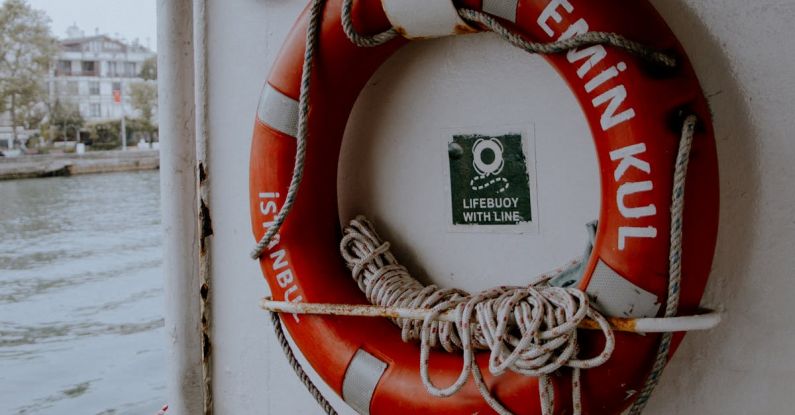
Simulating water rescue scenarios can help children understand the importance of staying calm and knowing what to do in case of an emergency. Teach kids how to call for help, either by shouting for an adult or using a whistle if available. Show them how to throw a floatation device to someone in distress without entering the water themselves. By practicing these scenarios in a controlled environment, children can better prepare themselves for unexpected situations in the water.
**Emphasize the Buddy System**
The buddy system is a simple yet effective way to enhance water safety for kids. Encourage children to always swim with a buddy and look out for each other while in the pool. Having a designated buddy ensures that there is someone to assist or seek help in case of an emergency. Teach kids to stay within arm’s reach of their buddy while swimming and to never wander off alone. By promoting the buddy system, children learn the importance of teamwork and accountability when it comes to water safety.
**Educate About Sun Protection**
While water safety primarily focuses on skills and practices in the water, it’s essential not to overlook the importance of sun protection. Educate children about the risks of sun exposure and the necessity of wearing sunscreen, hats, and UV-protective clothing while swimming outdoors. Teach kids to seek shade during peak sun hours and stay hydrated to prevent heat-related illnesses. By incorporating sun protection into water safety education, parents can help children develop healthy habits for sun safety along with their swimming skills.
**Encourage Open Communication**
Effective communication is key to ensuring water safety for children. Encourage kids to ask questions, express their concerns, and share any discomfort they may feel while in the water. Create an open dialogue where children feel comfortable discussing their experiences and seeking guidance from adults. By fostering communication, parents can address any issues or fears that children may have about swimming, ultimately promoting a safe and enjoyable pool experience for everyone.
**Wrap-Up and Stay Safe**
As the pool season approaches, preparing kids with essential water safety knowledge is crucial for a fun and secure swimming experience. By starting with the basics, enrolling in swimming lessons, practicing water rescue scenarios, emphasizing the buddy system, educating about sun protection, and encouraging open communication, parents can equip children with the tools they need to stay safe in and around the water. Remember, water safety is a continuous learning process, and reinforcing these practices regularly will help children develop lifelong skills to enjoy swimming responsibly. So, dive in, have fun, but always prioritize safety first!