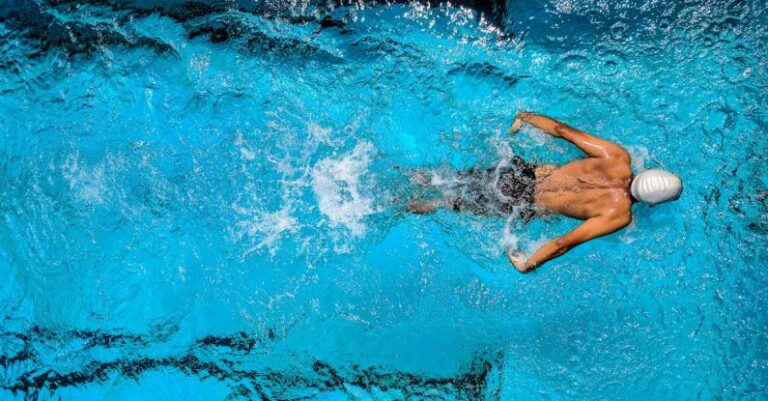

What Techniques Can Improve Your Breath Control while Swimming?
Swimming is a fantastic full-body workout that not only improves cardiovascular health but also enhances strength and endurance. One of the key elements of successful swimming is breath control. Proper breathing technique can significantly impact your performance in the water, allowing you to swim longer distances with ease. In this article, we will explore various techniques that can help you improve your breath control while swimming.
**Relaxation and Mindfulness**
Before diving into the technical aspects of breath control, it is essential to address the mental aspect of swimming. Relaxation and mindfulness play a crucial role in maintaining steady breathing patterns. When you are tense or anxious, your breathing tends to become shallow and erratic, which can lead to fatigue more quickly. Practice relaxation techniques such as deep breathing exercises or visualization to calm your mind and body before hitting the water. By staying present and focused on your breathing, you can improve your overall breath control while swimming.
**Bilateral Breathing**
Bilateral breathing is a technique that involves breathing on both sides while swimming. Many swimmers tend to favor one side over the other, leading to an imbalance in their stroke and breath control. By practicing bilateral breathing, you can ensure that your breathing is more evenly distributed, allowing for a smoother and more efficient swim. Try alternating your breathing every three strokes to develop this skill and improve your breath control in the water.
**Exhale Fully Underwater**
One common mistake swimmers make is holding their breath while their face is in the water. This can lead to a buildup of carbon dioxide in the body, causing discomfort and reducing overall endurance. To improve your breath control, focus on exhaling fully while your face is submerged in the water. By releasing all the air from your lungs, you can take in a fresh breath more efficiently when you turn your head to breathe. Practice exhaling steadily and consistently to maintain a rhythmic breathing pattern throughout your swim.
**Use Breathing Patterns**
Developing a consistent breathing pattern can help you maintain control over your breath while swimming. Experiment with different breathing rhythms, such as breathing every two, three, or four strokes, to find a pattern that works best for you. Some swimmers find that breathing every two strokes provides more oxygen, while others prefer the challenge of breathing less frequently to build lung capacity. Find a breathing pattern that suits your comfort level and practice it regularly to improve your breath control in the water.
**Focus on Technique**
Proper swimming technique can also contribute to better breath control. Make sure you maintain a streamlined body position in the water to reduce drag and improve efficiency. Engage your core muscles to support your body and ensure that your movements are fluid and controlled. By refining your stroke technique, you can conserve energy and optimize your breathing while swimming. Consider taking lessons from a qualified instructor to fine-tune your form and maximize your breath control in the pool.
**Hydration and Nutrition**
Staying hydrated and fueling your body with the right nutrients is crucial for maintaining optimal breath control while swimming. Dehydration can lead to fatigue and cramping, which can impact your breathing technique in the water. Drink plenty of water before and after your swim sessions to stay hydrated and replenish electrolytes lost during exercise. Additionally, fuel your body with a balanced diet rich in carbohydrates, proteins, and healthy fats to support your energy levels and overall performance in the pool.
**Practice Breathing Drills**
Incorporating breathing drills into your swim workouts can help you focus specifically on improving your breath control. Try exercises such as breath control sets, where you practice holding your breath for progressively longer intervals to build lung capacity. You can also experiment with breathing only on your non-dominant side to challenge yourself and enhance your overall breathing flexibility. By dedicating time to specific breathing drills, you can target your breath control skills and see improvement over time.
**Conclusion: Enhance Your Breath Control**
Improving your breath control while swimming requires a combination of mental focus, technical skill, and consistent practice. By incorporating relaxation techniques, bilateral breathing, exhaling fully underwater, using breathing patterns, focusing on technique, prioritizing hydration and nutrition, and practicing breathing drills, you can enhance your breath control and elevate your swimming performance. Remember that breath control is a fundamental aspect of successful swimming, and by honing this skill, you can enjoy a more efficient and enjoyable experience in the water.