How to Use Water Resistance for Toning Muscles during Swimming?
Swimming is not only a refreshing way to cool off on a hot day but also a fantastic full-body workout. Water resistance plays a crucial role in toning muscles during swimming, making it an effective form of exercise for building strength and endurance. Whether you are a beginner or an experienced swimmer looking to enhance your workout routine, incorporating water resistance techniques can help you achieve your fitness goals faster and more efficiently.
Understanding the Concept of Water Resistance
Water resistance is the force that water exerts on objects moving through it. When you swim, your body has to push against the water, creating resistance that engages your muscles. Unlike other forms of exercise, such as running or cycling, where gravity plays a significant role in resistance, water provides a more balanced and controlled resistance that targets multiple muscle groups simultaneously.
Engaging Core Muscles for Stability
One of the key benefits of using water resistance during swimming is its ability to engage your core muscles for stability. The constant push and pull against the water require your core muscles to work harder to maintain proper body alignment and balance. By focusing on engaging your core during each stroke, you can strengthen your abdominal, back, and pelvic muscles, helping you improve your posture and overall body stability.
Performing High-Intensity Interval Training (HIIT)
High-intensity interval training (HIIT) is a popular workout technique that involves alternating between short bursts of intense activity and brief periods of rest or lower-intensity exercise. When applied to swimming with water resistance, HIIT can help you maximize your workout efficiency and calorie burn. By increasing your speed or intensity for a specific distance or time and then slowing down to recover, you can challenge your muscles and cardiovascular system, leading to improved endurance and muscle tone.
Utilizing Resistance Tools and Equipment
To further enhance the benefits of water resistance for toning muscles during swimming, you can incorporate various resistance tools and equipment into your workout routine. Items such as swim fins, hand paddles, resistance bands, and kickboards can add an extra level of resistance to your movements, intensifying your workout and targeting specific muscle groups. For example, using hand paddles can help strengthen your upper body muscles, while wearing swim fins can engage your leg muscles more effectively.
Experimenting with Different Swimming Strokes
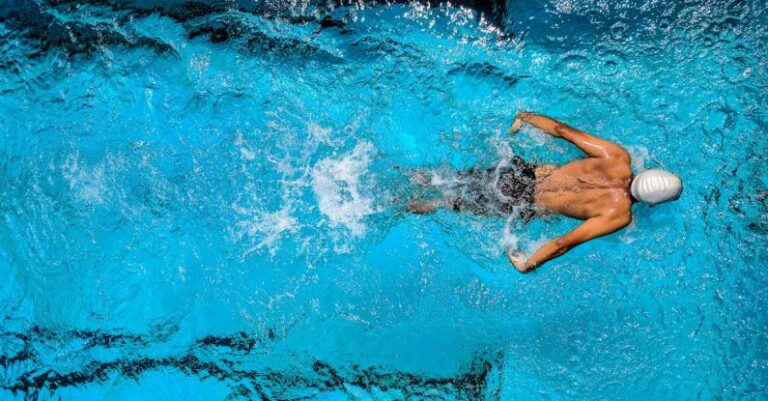
Swimming offers a variety of strokes, each targeting different muscle groups and providing a unique workout experience. By experimenting with different swimming strokes, such as freestyle, backstroke, breaststroke, and butterfly, you can engage a wider range of muscles and prevent muscle imbalances. Each stroke requires specific movements and coordination, challenging your muscles in new ways and promoting overall muscle development and toning.
Incorporating Water Aerobics and Resistance Training
In addition to traditional lap swimming, water aerobics and resistance training classes can be excellent options for incorporating water resistance into your workout routine. Water aerobics classes typically involve a combination of cardiovascular exercises, strength training, and flexibility movements performed in a pool. These classes are suitable for all fitness levels and can provide a fun and social way to tone your muscles and improve your overall fitness.
Maintaining Consistency and Monitoring Progress
As with any form of exercise, consistency is key to seeing results when using water resistance for toning muscles during swimming. Set realistic goals, establish a regular swimming schedule, and track your progress over time to monitor improvements in muscle tone, strength, and endurance. Remember that muscle tone and definition take time to develop, so be patient and stay committed to your swimming routine to achieve your desired fitness outcomes.
Embracing the Benefits of Water Resistance for Muscle Toning
In conclusion, water resistance is a powerful tool for toning muscles during swimming, offering a low-impact yet highly effective way to build strength, endurance, and muscle definition. By understanding the concept of water resistance, engaging your core muscles for stability, performing HIIT workouts, using resistance tools and equipment, experimenting with different swimming strokes, incorporating water aerobics and resistance training, and maintaining consistency in your swimming routine, you can maximize the benefits of water resistance and achieve your fitness goals. So, dive in, embrace the resistance, and let the water sculpt your muscles to new heights of strength and tone.