
How Does Pool Running Compare to Traditional Cardio?
Pool Running vs. Traditional Cardio: Which is More Beneficial for Your Fitness Journey?
Embarking on a fitness journey often involves finding the right type of cardio exercise that suits your needs and preferences. While traditional forms of cardio such as running, cycling, or using the elliptical machine are popular choices, pool running has gained attention for its unique benefits. In this article, we will explore how pool running compares to traditional cardio and determine which option may be more suitable for your fitness goals.
The Benefits of Pool Running
Pool running, also known as aqua jogging, involves mimicking the running motion in water. This low-impact exercise is performed in a pool where the buoyancy of water reduces the stress on your joints while providing resistance to strengthen your muscles. One of the key benefits of pool running is its ability to aid in recovery from injuries, making it an ideal option for individuals with joint issues or recovering athletes. Additionally, the water’s resistance requires more effort, leading to a higher calorie burn compared to traditional running on land.
The Advantages of Traditional Cardio
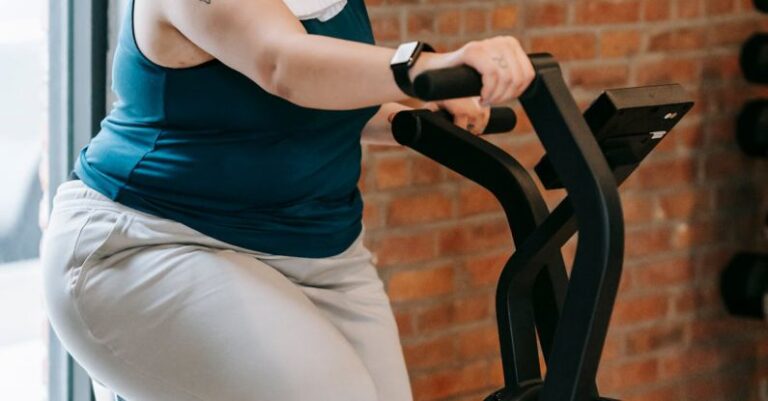
Traditional cardio exercises such as running, cycling, or using the elliptical machine are effective in improving cardiovascular health, burning calories, and boosting endurance. Running outdoors or on a treadmill allows for a weight-bearing exercise that helps maintain bone density and strengthens muscles. Cycling, on the other hand, provides a low-impact workout that targets the lower body muscles while being gentle on the joints. The elliptical machine offers a full-body workout that simulates walking, running, or stair climbing without the impact on the joints.
Comparing the Two
When comparing pool running to traditional cardio, several factors come into play. While both forms of exercise provide cardiovascular benefits, pool running offers a lower-impact option that reduces stress on the joints, making it suitable for individuals with arthritis, joint pain, or recovering from injuries. The water’s resistance in pool running also engages more muscles, providing a full-body workout that can improve strength and endurance.
On the other hand, traditional cardio exercises like running, cycling, or using the elliptical machine are more accessible and can be easily incorporated into your routine, whether indoors or outdoors. These exercises are effective in burning calories and improving cardiovascular fitness, making them popular choices for individuals looking to boost their overall health and endurance levels.
Which One is Right for You?
When deciding between pool running and traditional cardio, consider your fitness goals, any existing injuries or health conditions, and personal preferences. If you are recovering from an injury, have joint issues, or prefer a low-impact workout, pool running may be the better option for you. Its gentle nature and muscle-strengthening benefits make it a suitable choice for individuals looking to improve their fitness without putting excessive stress on their joints.
On the other hand, if you enjoy the outdoors, prefer high-intensity workouts, or are training for a specific event, traditional cardio exercises like running or cycling may be more aligned with your goals. These exercises offer versatility, allowing you to customize your workout intensity and duration based on your fitness level and preferences.
In conclusion, both pool running and traditional cardio have their unique benefits and can be effective in improving cardiovascular health, burning calories, and enhancing overall fitness. The key is to choose the option that aligns with your fitness goals, preferences, and physical condition. Whether you opt for the low-impact nature of pool running or the versatility of traditional cardio, staying consistent and enjoying the process are essential for long-term success in your fitness journey.