Can Lap Swimming Be a Meditative Practice?
Finding Tranquility in the Pool: Can Lap Swimming Be a Meditative Practice?
In a world filled with constant noise and distractions, the pursuit of inner peace and mental clarity has become a priority for many individuals. Various forms of meditation have gained popularity as people seek ways to quiet their minds and connect with their inner selves. One such practice that often goes overlooked in the realm of meditation is lap swimming. While swimming laps may be viewed primarily as a form of physical exercise, the repetitive nature of the activity and the sensory deprivation that comes with being submerged in water can create an environment conducive to meditative experiences. Let’s explore whether lap swimming can truly be a meditative practice.
The Mindful Rhythm of Stroke and Breath
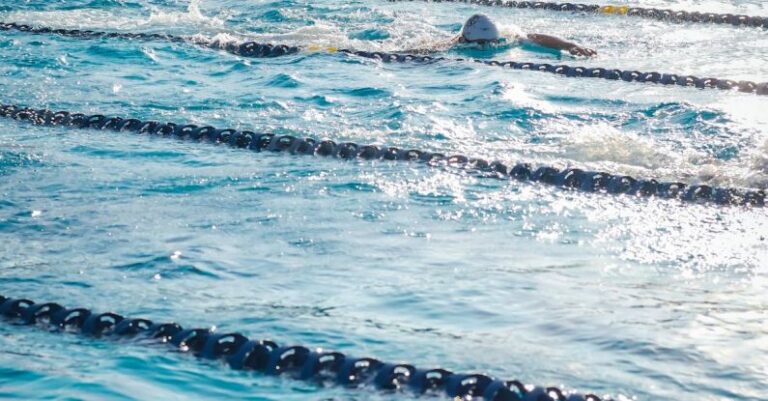
When you dive into the pool and start swimming laps, a rhythmic pattern emerges as your strokes cut through the water and your breath synchronizes with your movements. This repetitive motion, combined with the focus required to maintain proper form and technique, can serve as a form of moving meditation. Just like the breath is a central focus in traditional meditation practices, the act of coordinating your strokes with your breathing in lap swimming can help you cultivate mindfulness and presence in the moment.
As you swim back and forth, the steady rhythm of your stroke and breath can anchor your attention, allowing you to let go of distracting thoughts and worries. The monotonous nature of lap swimming creates a hypnotic effect that can help quiet the mind and promote a sense of calm. In this way, swimming laps can offer a unique opportunity to be fully present in your body and in the moment, much like sitting meditation does.
Embracing Sensory Deprivation
One of the key elements of meditation is reducing external stimuli to turn inward and focus on the present moment. When you are submerged in water while swimming laps, your senses are partially deprived of external stimuli. The sensation of weightlessness, the muffled sounds of the pool environment, and the rhythmic swishing of water around you create a cocoon-like atmosphere that can foster introspection and inner stillness.
This sensory deprivation can help drown out the noise of the outside world, allowing you to turn your attention inward and connect with your thoughts and emotions. The feeling of being enveloped in water can be soothing and comforting, providing a unique sensory experience that enhances the meditative quality of lap swimming. By immersing yourself in this aquatic environment, you create a space where distractions fade away, and you can focus on being fully present in the here and now.
Flow State and Mind-Body Connection
Athletes often talk about entering a state of flow, where they are fully immersed in an activity and perform effortlessly, almost instinctively. Lap swimming offers a similar opportunity to tap into this flow state, where the mind and body are in sync, and actions unfold smoothly and harmoniously. When you are in the flow, distractions vanish, and you become completely absorbed in the act of swimming, transcending the boundaries between self and activity.
This mind-body connection is a fundamental aspect of meditation, where the goal is to unite the mind and body in a state of awareness and presence. By engaging in lap swimming as a meditative practice, you can cultivate this connection and experience a sense of unity between your physical movements and mental focus. The fluidity of swimming laps can serve as a gateway to mindfulness and embodiment, allowing you to merge the act of swimming with a state of meditative awareness.
Diving Deeper: Exploring the Depths of Inner Stillness
As you explore the meditative potential of lap swimming, consider how this activity can offer a unique path to inner stillness and self-discovery. By embracing the mindful rhythm of stroke and breath, the sensory deprivation of the aquatic environment, and the flow state that comes with harmonizing mind and body, you can dive deeper into your inner world and uncover a sense of tranquility that transcends the physical act of swimming.
Lap swimming may not be traditionally associated with meditation, but its repetitive nature, sensory qualities, and mind-body connection make it a compelling practice for those seeking a meditative experience. So, the next time you hit the pool for a swim, pay attention to the rhythm of your strokes, the sensation of water around you, and the unity of mind and body. In these moments, you may find that lap swimming can indeed be a meditative practice—a gateway to inner peace and a deeper connection with yourself.