
What Are the Lifesaving Skills Everyone Should Know in Pools?
Swimming pools are a popular way to beat the heat and have fun during the summer months. While they can provide hours of enjoyment, it’s essential to remember that pools can also pose certain dangers. Drowning is a leading cause of accidental death worldwide, with a significant number of incidents occurring in swimming pools. To ensure safety in and around pools, it’s crucial for everyone to be equipped with lifesaving skills. Whether you’re a pool owner, a parent, or someone who simply enjoys spending time by the water, knowing these skills could make a difference in an emergency situation.
Recognizing the Signs of Drowning
One of the most critical lifesaving skills to have when near a pool is the ability to recognize the signs of drowning. Contrary to what is often depicted in movies, drowning is usually a silent event. A person who is drowning may not be able to call for help or wave their arms frantically. Instead, they may appear to be struggling to stay afloat, with their head bobbing up and down. It’s essential to be vigilant and watch for these signs, as quick action can mean the difference between life and death.
Performing CPR
Cardiopulmonary resuscitation (CPR) is a vital skill that everyone should know, especially when it comes to pool safety. In the event of a drowning incident, immediate CPR can help sustain life until professional help arrives. CPR involves chest compressions and rescue breaths to maintain blood circulation and oxygen flow to the vital organs. Taking a CPR course and staying up to date on the latest techniques could potentially save a life in a pool emergency.
Using a Reach or Throw Rescue
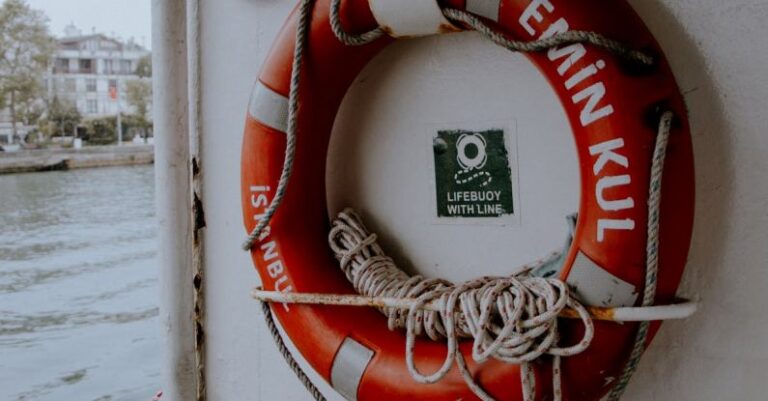
In situations where someone is in trouble in the water, it’s crucial to avoid putting yourself at risk by attempting a direct rescue. Instead, knowing how to perform a reach or throw rescue can be a safer and more effective way to help someone in distress. A reach rescue involves using a long object, such as a pool noodle or a reaching pole, to extend towards the person in need and pull them to safety. Similarly, a throw rescue involves throwing a floating object, such as a lifebuoy or a rope, to the individual to grab onto while you pull them to safety.
Understanding Pool Safety Equipment
Another essential aspect of pool safety is being familiar with the various types of safety equipment available and knowing how to use them effectively. Items such as life jackets, rescue tubes, and flotation devices can be lifesaving tools in emergencies. Additionally, having a phone nearby to call for help in case of an incident is crucial. Pool owners should also ensure that their pool is equipped with proper safety features, such as fences, alarms, and covers, to prevent accidents from occurring in the first place.
Monitoring Children and Weak Swimmers
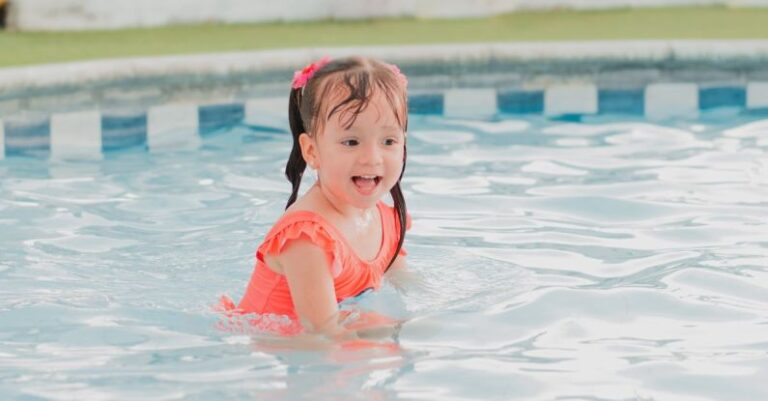
Supervision is key when it comes to pool safety, especially when children or weak swimmers are involved. Drowning can happen quickly and silently, so it’s essential to keep a close eye on anyone in or near the water. Children should never be left unattended in or around pools, and weak swimmers should always wear appropriate flotation devices. Educating children about pool safety rules and the importance of swimming lessons can also help prevent accidents and promote a culture of water safety.
Staying Calm and Acting Quickly
In an emergency situation, staying calm and acting quickly can make a significant difference in the outcome. Panic can cloud judgment and hinder your ability to assist someone in distress. By maintaining a level head and following the proper procedures for rescue and first aid, you can increase the chances of a positive outcome. Remember that every second counts in a drowning incident, so being prepared and knowing what to do can be lifesaving.
Being Prepared for Pool Emergencies
While we hope never to encounter a pool emergency, being prepared is essential for everyone’s safety. Knowing how to recognize the signs of drowning, perform CPR, use reach or throw rescues, understand pool safety equipment, monitor children and weak swimmers, and stay calm in emergencies are all crucial skills to have. By taking the time to learn these lifesaving techniques and staying vigilant around pools, we can help prevent accidents and be ready to respond effectively if a situation arises. Pool safety is everyone’s responsibility, and being prepared could mean the difference between a fun day in the water and a tragic outcome.