
What Safety Features Are Mandatory for a Home Swimming Pool?
Installing a swimming pool in your home can offer a fantastic way to relax, exercise, and have fun with your family and friends. However, with this luxury comes the responsibility of ensuring the safety of everyone who uses the pool, especially children and non-swimmers. To prevent accidents and promote a safe swimming environment, there are mandatory safety features that every home swimming pool should have.
**Fencing and Gates**
One of the most crucial safety features for a home swimming pool is a fence with a self-latching gate. The fence should completely surround the pool area and be at least four feet high to prevent unauthorized access. The gate should open outward from the pool and have a self-closing and self-latching mechanism to ensure it remains closed when not in use. By installing a secure fence and gate, you can prevent young children and pets from entering the pool area unsupervised, reducing the risk of accidents.
**Pool Covers**
Another essential safety feature for a home swimming pool is a sturdy pool cover. A pool cover not only helps to keep debris out of the water but also acts as a barrier to prevent accidental falls into the pool. Automatic pool covers are particularly effective as they can be easily opened and closed with the push of a button, providing convenience and safety for pool owners. When not in use, the pool cover should be securely fastened to prevent it from accidentally collapsing into the pool.
**Alarms**
Installing alarms around your home swimming pool is an additional safety measure that can alert you to potential dangers. There are various types of pool alarms available, including surface wave sensors, subsurface alarms, and perimeter alarms. Surface wave sensors detect disturbances on the water’s surface, while subsurface alarms are triggered by changes in water pressure. Perimeter alarms use motion sensors to detect movement around the pool area. By investing in pool alarms, you can be promptly notified if someone enters the pool area without permission.
**Safety Ladders and Steps**
Safety ladders or steps are essential features for in-ground and above-ground pools to provide a safe entry and exit point. These should be securely attached to the pool structure and have slip-resistant treads to prevent accidents. For above-ground pools, a locking ladder or staircase can be used to restrict access when the pool is not in use. By ensuring that your pool has safe and stable entry points, you can reduce the risk of slips, trips, and falls near the water.
**Rescue Equipment**
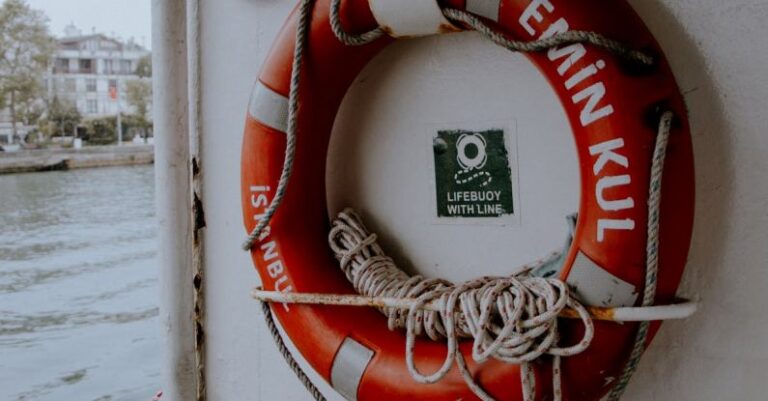
Having rescue equipment readily available near your home swimming pool is vital in case of emergencies. Items such as life rings, reaching poles, and a first aid kit should be easily accessible from the pool area. In the event of a drowning or injury, having the necessary equipment on hand can help to facilitate a quick response and potentially save lives. It is crucial to regularly check the condition of the rescue equipment and replace any damaged or expired items.
**Regular Maintenance**
In addition to these mandatory safety features, regular maintenance of your home swimming pool is essential to ensure a safe and healthy swimming environment. Proper pool maintenance involves keeping the water clean and balanced, checking the pool equipment for any malfunctions, and inspecting the safety features for signs of wear or damage. By staying on top of pool maintenance tasks, you can prevent accidents, prolong the life of your pool, and enjoy a worry-free swimming experience.
**In Summary**
In conclusion, ensuring the safety of your home swimming pool requires the implementation of mandatory safety features such as fencing and gates, pool covers, alarms, safety ladders and steps, and rescue equipment. By incorporating these safety measures into your pool area, you can create a secure environment for swimmers of all ages and abilities. Remember that regular maintenance and vigilance are key to preventing accidents and promoting a safe and enjoyable swimming experience for you and your loved ones.