How Do You Set up Dive Training Sessions for a Swimming Team?
Dive training is a crucial aspect of a swimming team’s preparation towards achieving success in competitive events. Setting up effective dive training sessions requires meticulous planning and execution to ensure that swimmers develop the necessary skills and techniques to excel in their dives. In this article, we will explore the key steps involved in organizing dive training sessions for a swimming team.
Understanding the Importance of Dive Training
Dive training plays a significant role in a swimmer’s overall performance, as it directly impacts their start off the blocks and entry into the water. A well-executed dive can provide swimmers with a competitive edge by allowing them to gain an advantage over their opponents right from the start of the race. Therefore, it is essential to prioritize dive training as part of a swimming team’s practice regimen.
Analyzing Individual Swimmer Needs
Before setting up dive training sessions, it is crucial to analyze the individual needs of each swimmer on the team. Different swimmers may have varying levels of experience and proficiency when it comes to diving. By assessing each swimmer’s strengths and weaknesses, coaches can tailor training sessions to address specific areas that require improvement, such as body positioning, entry angle, and reaction time off the blocks.
Designing a Structured Training Program
Once individual swimmer needs have been identified, coaches can design a structured training program that focuses on developing key diving skills. Training sessions should be organized in a progressive manner, starting with basic drills and gradually advancing to more complex techniques. It is essential to incorporate a variety of drills and exercises that target different aspects of the dive, including takeoff, flight, and entry into the water.
Emphasizing Technique and Form
During dive training sessions, coaches should emphasize the importance of proper technique and form. Swimmers should be encouraged to maintain a streamlined body position, engage their core muscles, and execute a powerful push off the blocks. Coaches can use video analysis and feedback to help swimmers understand where improvements can be made in their diving technique. By focusing on developing strong fundamentals, swimmers can enhance their overall performance in dives.
Implementing Competitive Drills and Simulations
To simulate race-like conditions, coaches can incorporate competitive drills and simulations into dive training sessions. This can help swimmers practice their dives under pressure and improve their reaction time off the blocks. By creating a sense of urgency and competition during training, swimmers can better prepare themselves for actual race situations where every fraction of a second counts.
Utilizing Equipment and Technology
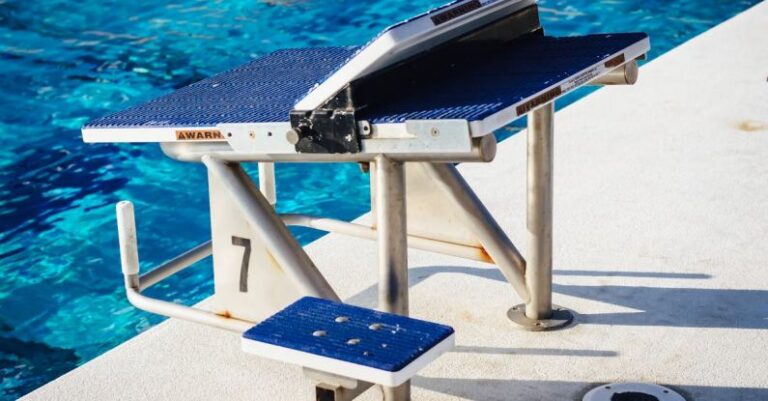
In addition to traditional drills and exercises, coaches can also utilize specialized equipment and technology to enhance dive training sessions. Platforms, starting blocks, and underwater cameras can provide swimmers with valuable feedback on their dives and help coaches identify areas for improvement. By leveraging the latest tools and technology, coaches can optimize the effectiveness of dive training sessions and help swimmers reach their full potential.
Evaluating Progress and Making Adjustments
Throughout the course of dive training sessions, it is essential to continuously evaluate swimmers’ progress and make adjustments as needed. Coaches should regularly assess individual performance, provide constructive feedback, and track improvements over time. By monitoring swimmers’ development and adjusting training plans accordingly, coaches can ensure that each team member is on track to achieve their diving goals.
Incorporating Mental Preparation Techniques
In addition to physical training, coaches should also incorporate mental preparation techniques into dive training sessions. Visualization, relaxation exercises, and goal-setting can help swimmers build confidence and focus before executing their dives. By addressing the mental aspects of diving, coaches can help swimmers develop a competitive mindset and perform at their best when it matters most.
Encouraging a Positive Team Environment
Lastly, creating a positive team environment is essential for fostering motivation and camaraderie during dive training sessions. Coaches should encourage teamwork, support, and constructive feedback among swimmers to create a cohesive and united team. By promoting a culture of respect and encouragement, coaches can help swimmers feel motivated and inspired to push themselves to new heights in their diving performance.
In conclusion, setting up dive training sessions for a swimming team requires careful planning, individualized attention, and a focus on developing key skills and techniques. By following a structured training program, emphasizing proper technique, incorporating competitive drills, utilizing equipment and technology, evaluating progress, incorporating mental preparation techniques, and encouraging a positive team environment, coaches can help swimmers excel in their dives and achieve success in competitive events. Dive training is not just about physical prowess but also about mental fortitude and teamwork, all of which are essential components of a winning swimming team.