
What Is the Proper Way to Approach the Starting Block for Dives?
Getting the Perfect Start: Approaching the Starting Block for Dives
When it comes to competitive swimming, the starting block is where it all begins. A powerful dive off the block can give a swimmer a critical advantage in a race, making it essential to master the proper technique. Whether you are a beginner swimmer or a seasoned athlete looking to improve your dive, understanding the correct approach to the starting block is key. In this article, we will delve into the essential steps and techniques to ensure you make the most out of your dive and get off to a flying start.
**Understanding the Starting Block**
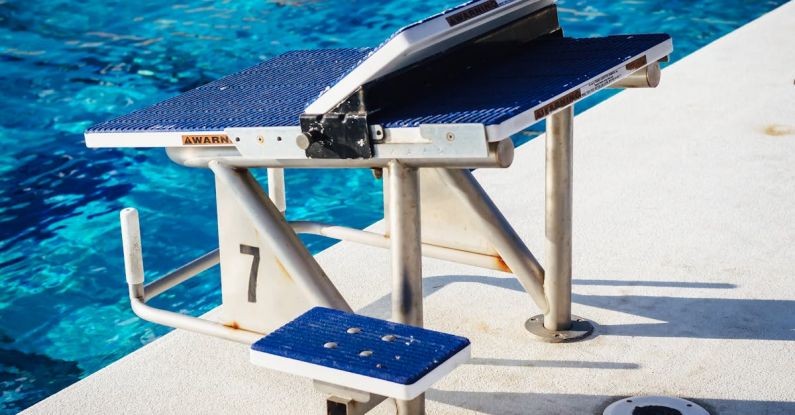
Before we dive into the specifics of approaching the starting block, it’s important to understand the different parts of this crucial piece of equipment. Starting blocks come in various designs, but they typically consist of a platform with a non-slip surface that allows swimmers to push off efficiently at the beginning of a race. The block is positioned at the edge of the pool, providing swimmers with a stable base to launch themselves into the water. Understanding the mechanics of the starting block will help you make the most of your dive.
**Positioning Your Feet**
One of the most critical aspects of a successful dive is the positioning of your feet on the starting block. When approaching the block, make sure your feet are shoulder-width apart, with your toes gripping the edge firmly. This stance will provide you with stability and a strong base to push off from. Ensure that your weight is evenly distributed between both feet, with your body leaning slightly forward in preparation for the dive. By positioning your feet correctly, you set yourself up for a powerful and streamlined entry into the water.
**Body Position**
As you prepare to dive, your body position plays a crucial role in determining the success of your start. Keep your body low to the block, with your hips raised slightly higher than your head. This position allows you to generate maximum power and momentum as you push off. Engage your core muscles to maintain a straight line from your head to your toes, ensuring minimal resistance as you enter the water. By maintaining the correct body position, you set yourself up for a smooth and efficient dive off the starting block.
**Arm Placement**
In addition to your feet and body position, the placement of your arms is essential for a successful dive. Position your arms shoulder-width apart on the block, with one arm extended forward and the other bent at a 90-degree angle. The extended arm serves as your guide, helping you maintain a streamlined position as you enter the water. The bent arm acts as a counterbalance, providing stability and power during the push-off. By positioning your arms correctly, you create a strong and controlled entry into the water, giving you an edge over your competitors.
**The Dive**
With your feet, body, and arms in the proper positions, it’s time to execute the dive. As the starting signal sounds, push off forcefully from the block using your legs, keeping your head down and arms streamlined. Focus on driving your body forward and downward, aiming to enter the water at a slight angle to reduce resistance. As you enter the water, extend your arms overhead and streamline your body to maximize speed and efficiency. By mastering the dive technique, you can propel yourself ahead of the competition and gain valuable seconds in the race.
**Perfecting Your Technique**
To perfect your approach to the starting block for dives, practice is key. Spend time refining your foot positioning, body alignment, and arm placement to ensure a powerful and efficient start. Work on your explosiveness off the block and focus on maintaining a streamlined position as you enter the water. By incorporating these techniques into your training routine, you can improve your dive off the starting block and enhance your overall performance in the pool.
**In Summary**
Approaching the starting block for dives is a crucial aspect of competitive swimming, requiring precision, power, and technique. By understanding the key components of a successful dive – from foot positioning to body alignment and arm placement – you can optimize your start and gain a competitive edge in races. Practice regularly, focus on perfecting your technique, and strive for consistency in your dives to improve your overall performance in the pool. With dedication and effort, you can master the art of the perfect dive off the starting block and propel yourself towards swimming success.